
The Unlikely Survivors of Chernobyl
The Chernobyl disaster, a name synonymous with devastation, might also be a beacon of hope, thanks to an unlikely hero: fungus. In the heart of the exclusion zone, where radiation levels remain dangerously high, certain species of fungi are not just surviving but thriving. These aren't your average mushrooms; they possess the remarkable ability to harness radiation for energy, opening up possibilities for space travel and environmental cleanup.
Discovering Life in a Dead Zone
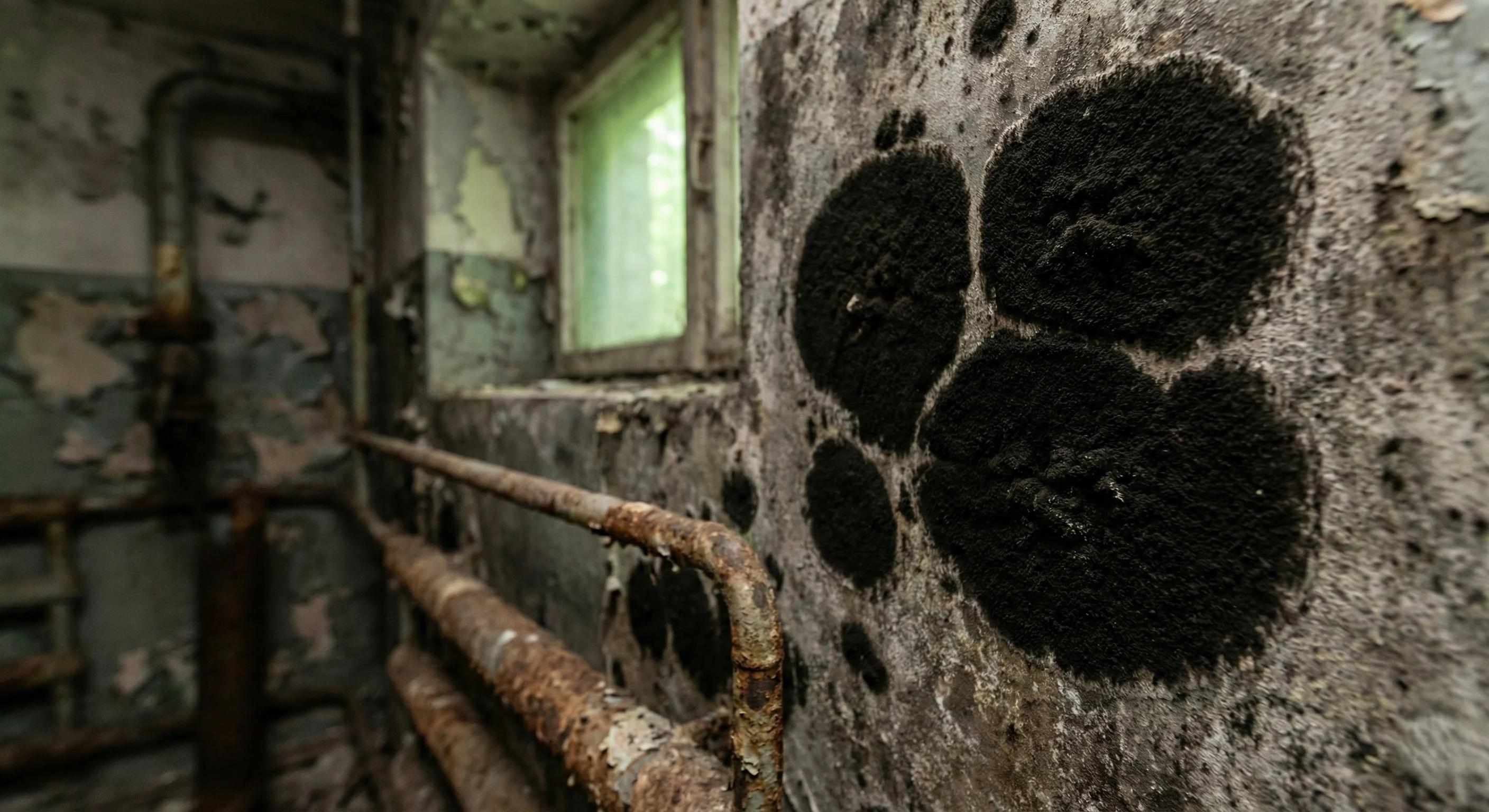
In 1986, the Chernobyl Nuclear Power Plant's Reactor 4 exploded, releasing massive amounts of radiation into the surrounding environment. The area became a no-go zone for humans, deemed too dangerous for habitation. Yet, life found a way. Scientists, including microbiologist Nelli Zhdanova, ventured into the exclusion zone and made a startling discovery: black mold growing on the walls of the ruined reactor. This wasn't just any mold; it was a radiation-resistant fungus that appeared to be feeding off the very thing that made the area so deadly.
Melanin: The Key to Radiosynthesis
What makes these fungi so special? The answer lies in melanin, the same pigment that gives our skin, hair, and eyes their color. In these fungi, melanin plays a crucial role in absorbing radiation and converting it into chemical energy, a process called radiosynthesis. It's similar to how plants use chlorophyll to capture sunlight during photosynthesis. This remarkable adaptation allows the fungus to thrive in highly radioactive environments, effectively "eating" radiation.
Cladosporium sphaerospermum
One of the most studied species is Cladosporium sphaerospermum. This black fungus has demonstrated an incredible ability to not only survive but flourish in the presence of ionizing radiation. Experiments have shown that when exposed to gamma radiation, C. sphaerospermum increases its metabolic activity, suggesting that it's actively using the radiation as an energy source.
How it can be Used Space Travel
The unique properties of Chernobyl fungi have caught the attention of space agencies like NASA. The harsh environment of space exposes astronauts to high levels of cosmic radiation, posing a significant risk to their health. Researchers are exploring the possibility of using melanin-rich fungi as a natural radiation shield for astronauts and spacecraft.
In a groundbreaking experiment, C. sphaerospermum was sent to the International Space Station (ISS) to test its ability to block radiation. The results were promising, showing that the fungus could reduce radiation levels by a measurable amount. This suggests that it could be used to create radiation-resistant habitats or even provide radiation-shielded food sources for space travelers.
Building Habitats on Mars
This potential extends to the surface of Mars, where the fungus could revolutionize how we build extraterrestrial habitats. Instead of transporting heavy construction materials from Earth, agencies could send lightweight, dormant samples that eventually grow to cover the entire colony site. Once established, this fungal layer would serve as a living shield, wrapping structures in a protective blanket that blocks harmful cosmic rays. Additionally, because the material is alive, it possesses self-healing properties, capable of repairing small cracks or breaches naturally to ensure a durable and safe environment for astronauts.
Bioremediation
Beyond space travel, Chernobyl fungi offer potential solutions for cleaning up radioactive waste on Earth. Traditional methods of dealing with nuclear contamination are often challenging, expensive, and can generate even more hazardous waste. Bioremediation, using living organisms to remove pollutants, presents a more sustainable and environmentally friendly alternative.
The ability of C. sphaerospermum to absorb and utilize radiation makes it a promising candidate for bioremediation in radioactive sites like Chernobyl. By deploying these fungi in contaminated areas, scientists hope to contain and potentially reduce radiation levels, turning a site of disaster into a symbol of recovery.
Fungi Species and Radiation Response
| Fungus Species | Radiation Response |
|---|---|
| Cladosporium sphaerospermum | Enhanced growth and metabolism under radiation |
| Wangiella dermatitidis | Enhanced growth under ionizing radiation |
| Cladosporium cladosporioides | Enhanced melanin production but not growth under radiation |
Challenges and Future Research
While the potential of Chernobyl fungi is immense, there are still challenges to overcome. Scientists are working to fully understand the mechanisms behind radiosynthesis and optimize the use of these fungi for practical applications. Further research is needed to determine the long-term effects of radiation exposure on the fungi and to ensure that their use in bioremediation doesn't have unintended consequences.
A Lesson in Resilience
The story of the Chernobyl fungus is a testament to the resilience of life and its ability to adapt to even the most extreme conditions. It also highlights the potential for nature to provide solutions to some of the world's most pressing challenges. As we continue to explore the mysteries of these remarkable organisms, we may unlock new possibilities for space travel, environmental cleanup, and a deeper understanding of the boundaries of life itself.
Key Takeaways
- Chernobyl fungi thrive in highly radioactive environments.
- Melanin allows them to absorb and convert radiation into energy through radiosynthesis.
- Cladosporium sphaerospermum is a key species with potential for space travel and bioremediation.
- Research is ongoing to fully understand their mechanisms and optimize their use.
- Their story highlights nature's resilience and potential for solving global challenges.